Marsya: A Script Font for Elegant Web Design
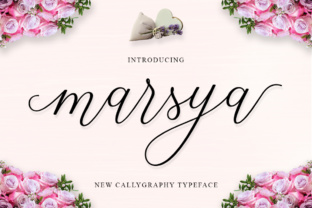
As a web designer, I'm always on the lookout for fonts that can elevate a website's visual appeal without compromising readability. Marsya has quickly become one of my go-to choices for headers and decorative elements. Its elegant mix of classic beauty with a modern twist makes it perfect for creative projects where style matters.
Testing Marsya in a Hero Section
I recently tested Marsya in a hero section for a boutique online store. The font’s stunning swashes and alternates added a touch of sophistication that perfectly complemented the brand’s aesthetic. It looked great over an image banner, drawing attention without overwhelming the design. The font’s fluidity gave the page a sense of movement, making it feel more dynamic and engaging.
Responsive Layouts and Mobile Usability
One of the key considerations when using a script font like Marsya is how it performs on mobile devices. I found that it scales well on smaller screens, maintaining its character even at reduced sizes. However, I noticed that very small text could become slightly harder to read, so I recommend using it for headings or short phrases rather than long paragraphs.
Font Pairing for Web Projects
Marsya pairs beautifully with clean, modern sans serif fonts. I often use it alongside a simple typeface like Open Sans for body copy. This combination creates a nice contrast, allowing the decorative elements of Marsya to shine while keeping the rest of the content easy to scan. For editorial designs, pairing it with a serif font like Georgia can add a more traditional, refined feel.
Brand Identity and Visual Hierarchy
When used strategically, Marsya can significantly enhance a website’s brand identity. It adds a personal, handwritten touch that feels authentic and approachable. In a coaching website, for example, it worked well for headlines and call-to-action buttons, reinforcing the brand’s message of creativity and connection.
Considerations for Digital Use
While Marsya is ideal for display purposes, it’s not the best choice for long blocks of text. I’ve seen it used in blog headers and promotional banners, where its decorative nature enhances the overall look without hindering readability. For digital ads or social media graphics, it can add a unique flair that sets a brand apart from competitors.
Webfont Availability and Licensing
Before integrating Marsya into a project, it’s important to check the available file formats and licensing terms. The font comes in multiple weights and includes alternates and ligatures, which are useful for customizing the look. For commercial use, make sure the license covers web deployment and any necessary modifications for different platforms.
Real-World Applications
I've used Marsya in several real-world projects, including a product landing page for a handmade soap brand. It worked well for the main headline, adding a touch of elegance that matched the product’s premium positioning. On a course sales page, it was effective for the title and subheadings, helping to create a cohesive and visually appealing layout.
Final Thoughts on Marsya
Marsya is a versatile and stylish font that brings a unique personality to web design. Whether you're working on a portfolio site, an online store, or a marketing campaign, it offers a fresh and creative option for headers and decorative elements. Just remember to use it thoughtfully, ensuring it complements the overall design rather than overpowering it.